
What does innovation-led growth look like for local communities?
Innovation-led growth is often measured through research breakthroughs, investment, company growth and job creation. Those outcomes matter. But some of the most meaningful impacts emerge over decades, creating opportunities for the community in unexpected ways.
This story of community opportunities begins more than 40 years ago at Culham in Oxfordshire: the international research community that grew around the Joint European Torus (JET) fusion programme left a lasting educational legacy that continues today through Europa School UK. Decades later, one of its students has discovered a potential future career in landscape architecture through a local work experience placement.
For Equinox's Communities workstream, Olivia Broome's placement at ASA Landscape Architects offers a powerful example of how the benefits of research and innovation can ripple through communities across generations.
Discovering a career you didn't know existed
When Olivia (aged 14) began looking for a work experience placement, she started with her interests. "I like art and design, so I was looking at placements which were related or combined the two," she explains.
Searching the Milton Park website, she came across ASA Landscape Architects and decided to get in touch. Before her placement, she knew very little about the profession. "I knew they designed outdoor spaces, but I didn't know a lot about it."
That quickly changed. Tasked with designing an outdoor area for a children's nursery, Olivia researched plants and materials, considered environmental factors and created designs using professional software.
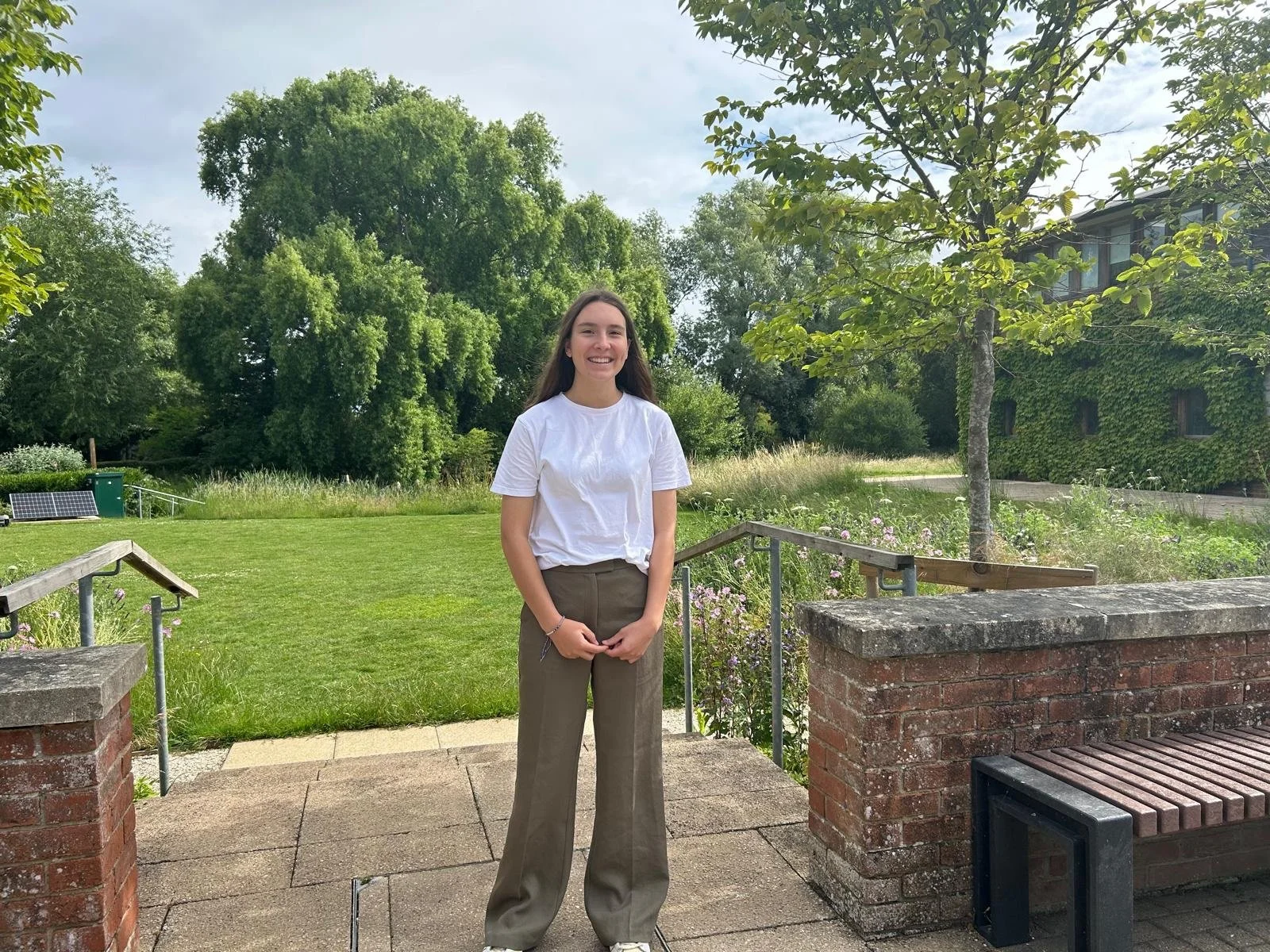
"What surprised me most was how much thought they have to put into it – from accessibility to what plants work in that environment, who's using the space to the pavement options. They have to think about a lot!"
The experience also changed the way she sees the world around her. "Normally when you walk past a park or commercial space, you don't think that was designed by someone and how much thought went into it."
The places where innovation happens
Innovation ecosystems are often viewed through the lens of research, science and technology. But they also depend on the people who design, build and manage the places where innovation happens.
For more than 30 years, ASA Landscape Architects has specialised in the design and management of commercial landscapes, including science and business campuses across Oxfordshire - in their words “delivering attractive spaces for innovative businesses to locate to, making spaces more marketable, whilst also creating beautiful spaces for the local community to enjoy as they become stitched into our urban fabric.”
"We are passionate about exterior spaces; the places where we gather and move through," explains ASA Director Veronica Flemming. "These are critical to support biodiversity, ecological functionality as well as our wellbeing, yet they are so often overlooked."
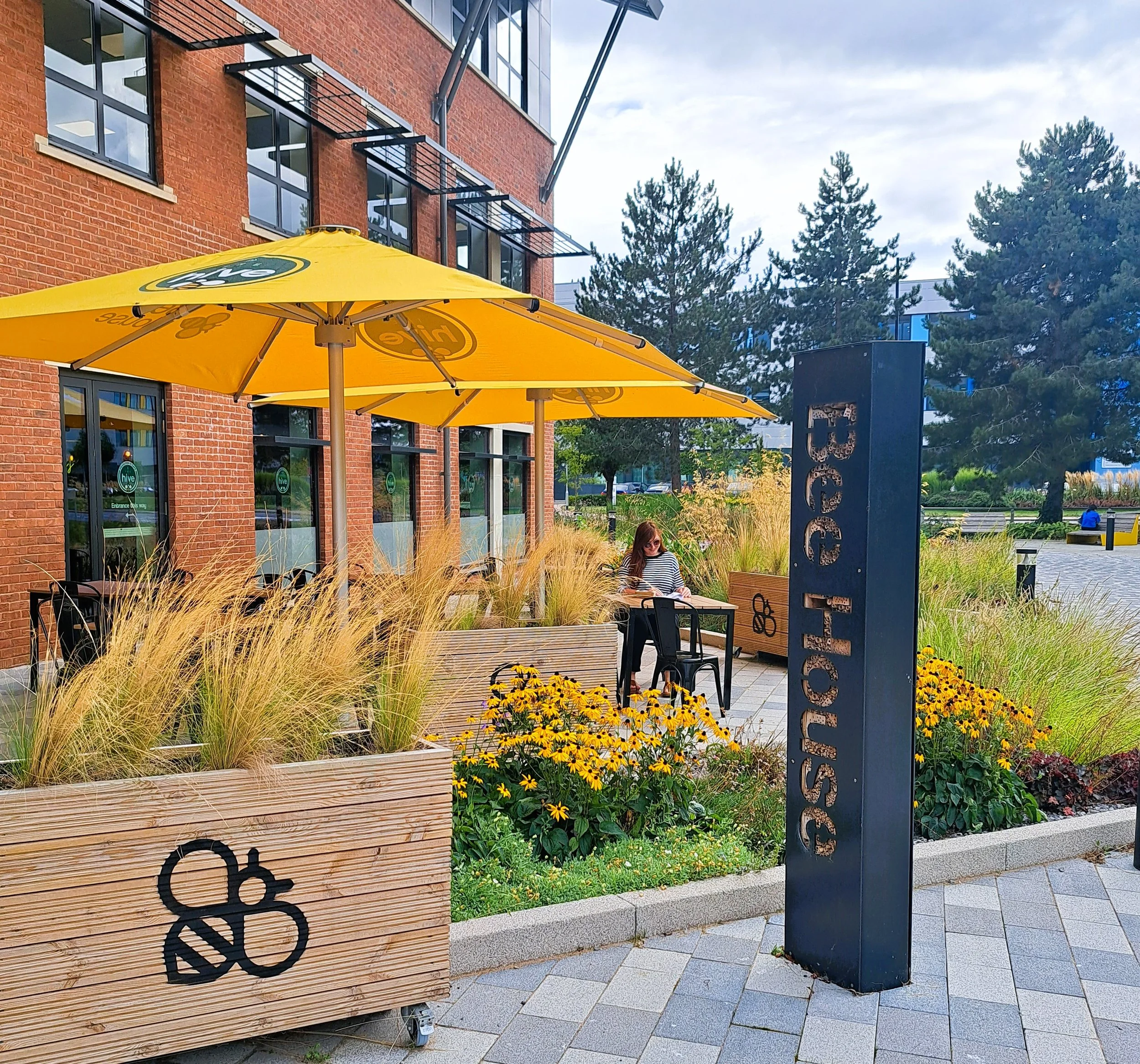
From Milton Park and Harwell Campus to Culham Science Centre and beyond, ASA has helped create environments that support both innovation and community wellbeing.
"The evidence of a positive link between access to green spaces and our health is overwhelming," Veronica adds. "We know that not only can well-designed landscapes improve our mental and physical health, but they can also cool buildings, reduce surface water flooding and support wildlife."
Their work also demonstrates that innovation ecosystems rely on a much broader range of professions than many people realise.
Photo: The Bee House at Milton Park
Photo credit: ASA Landscape Architects Ltd
Creating opportunities for the next generation
For ASA, offering work experience is about more than introducing students to a profession.
"As Landscape Architects, we are aware that our profession is not well known and yet there is a huge need for our professional services. We see offering work experience as a way of raising the profile of our industry."
The team also understands the importance of helping young people gain confidence and experience in professional environments.
"We all remember going out into the workplace for the first time and how daunting it can be. Many of us are also parents and want to create the opportunities for young people that we want to see in the world."
ASA staff also support local schools, community initiatives and sustainability programmes that help strengthen the wider communities connected to Oxfordshire's innovation ecosystem.
A legacy shaped by community
Olivia's story is also a reminder that the benefits of research investment extend far beyond scientific discoveries.
The origins of Europa School UK can be traced back to the international research community that grew around the JET fusion programme at Culham. In 1978, the European School Culham was established to provide a multilingual education for the children of scientists, researchers and staff working on JET and related European fusion programmes.
When the programmes evolved and moved elsewhere in Europe, it was announced that the European School Culham would close. Recognising the value of the school's multilingual and international approach, parents and supporters came together to preserve its educational legacy, establishing Europa School UK in 2012 to carry that vision forward (taking over the former school's campus upon its closure in 2017).
Today, Europa School UK is the UK's only free bilingual state school offering education from Reception through to the International Baccalaureate. It is an example of how communities can build on the foundations created by major research programmes, ensuring that their benefits continue long after the original project has finished.
For Rosie Bosse Chitty, Careers Coordinator at Europa School UK, that legacy extends beyond the school gates.
"The legacy of our rich and varied recent heritage is an incredible local network of organisations, resources and institutions which collaborate to cultivate and drive new ideas," she explains. "Members of this extended family enrich our educational offering, sharing their enthusiasms and giving students a taste of what is possible for their futures."
Being surrounded by Oxfordshire's innovation ecosystem gives students opportunities to explore careers they may never otherwise encounter.
"We are incredibly fortunate to be nestled amongst a diverse range of science and innovation parks," Rosie says. "The vast majority of our young Europeans will not know what they want to do for a job or a career, but we want them to feel empowered to make their next steps with confidence and a sense of purpose. Work experience opportunities such as Olivia's do this so well."
Measuring success differently
The chain that led to Olivia's work experience placement is a community chain that stretches across decades: an international fusion research programme attracted talent to Oxfordshire; a multilingual school was established to support that community; parents and supporters preserved its educational ethos for future generations; ASA Landscape Architects grew and thrived alongside Oxfordshire's innovation ecosystem; and a Year 10 student discovered a career she had never previously considered – linked to the Oxfordshire innovation ecosystem around her.
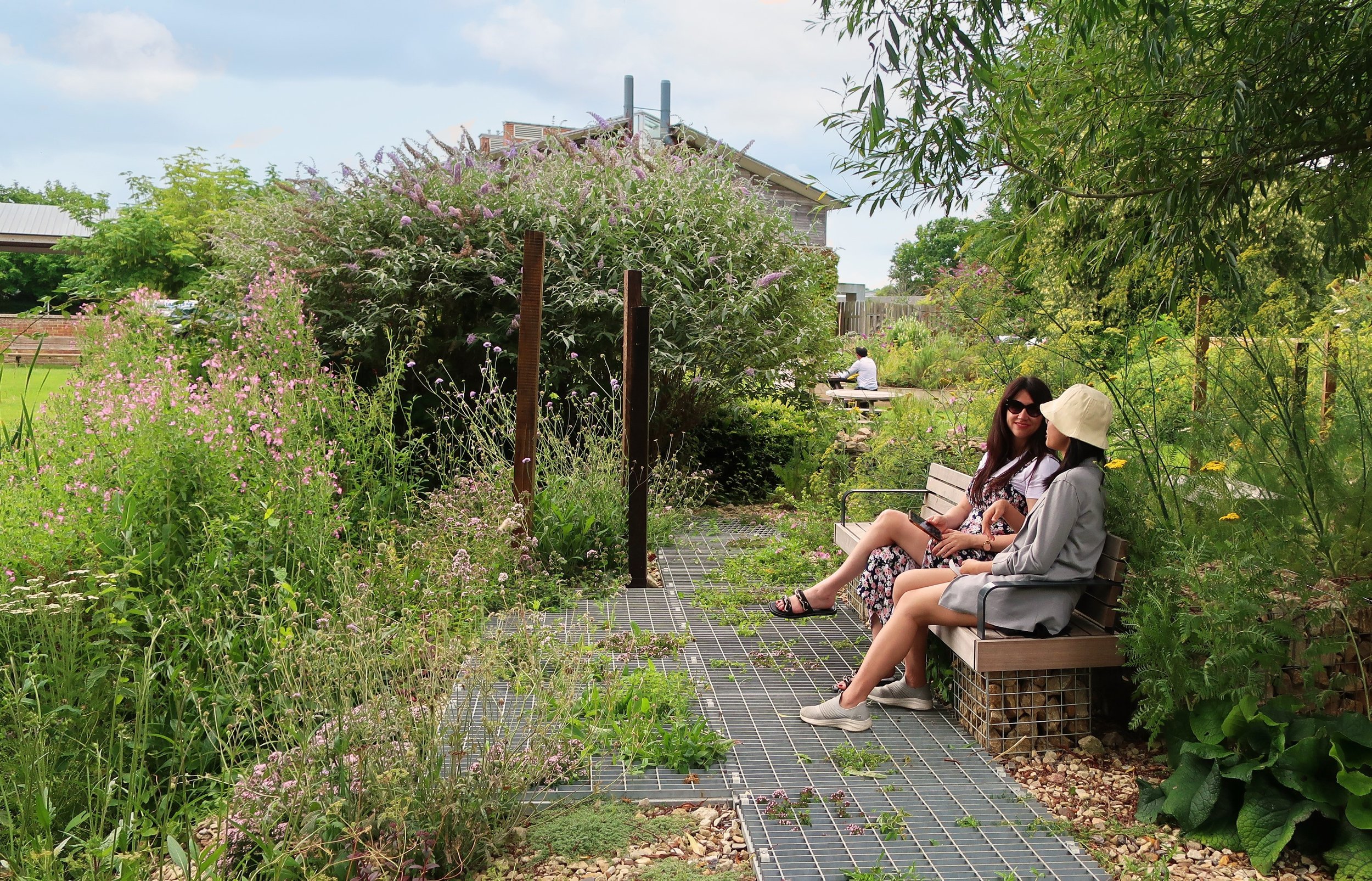
Stories like Olivia's show how the benefits of innovation spread through communities, shaping education, careers and aspirations over generations. They also show how local businesses, schools and community organisations work together to help young people make confident, ambitious decisions about their futures.
Photo: The Recycled Garden, Milton Park
Photo credit: ASA Landscape Architects Ltd
As Veronica said: “We see first-hand the circular investment into innovation and spinouts from our universities are critical drivers of modern economic growth and many of our projects.”
For Equinox, this is what successful innovation-led growth looks like: creating opportunities for local people, strengthening communities and helping the next generation imagine their place in Oxfordshire's future. Because thriving innovation ecosystems are measured not only by what they discover, but by the opportunities they create for the generations that follow.